Cast Iron vs Non-Stick vs Stainless: The Best Cookware Material for Your Cooking Style and Skill Level
Put a cast iron, stainless steel and non-stick side by side, and you can feel the difference before you’ve even turned on the stove. Cast iron is the heavy hitter; it’s weighty and can retain heat for a hot minute. Stainless steel is the dependable all-rounder, and non-stick is the easy-going option, particularly when you want your food to leave the pan on good terms.
The best cookware material is the one that suits what you actually cook, how you like to cook it and how much cleaning you're prepared to do afterwards.
The Real Difference
In short, cast iron is the one to reach for when heat retention and slow cooking matter. Stainless steel is the all-rounder for everyday cooking, while non-stick makes light work of delicate foods and clean-up. Here’s how Baccarat’s ranges stack up when you look at how you actually cook.
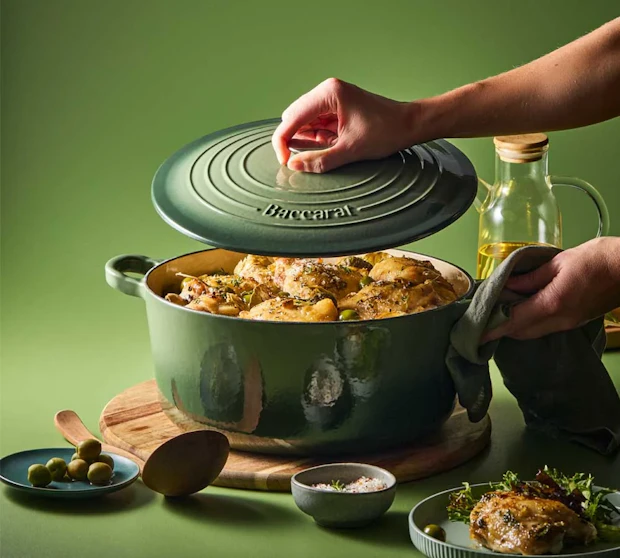
Cast Iron (Le Connoisseur): best for slow cooking, searing and oven-to-table dishes.
- Enamelled cast iron, no seasoning needed
- Weighs roughly 2.5–4kg for a frypan, 5kg or more for a Dutch oven
- Dishwasher safe; hand washing recommended
- Oven safe up to 260°C on applicable pieces
- Induction compatible
- Baccarat Lifetime Guarantee
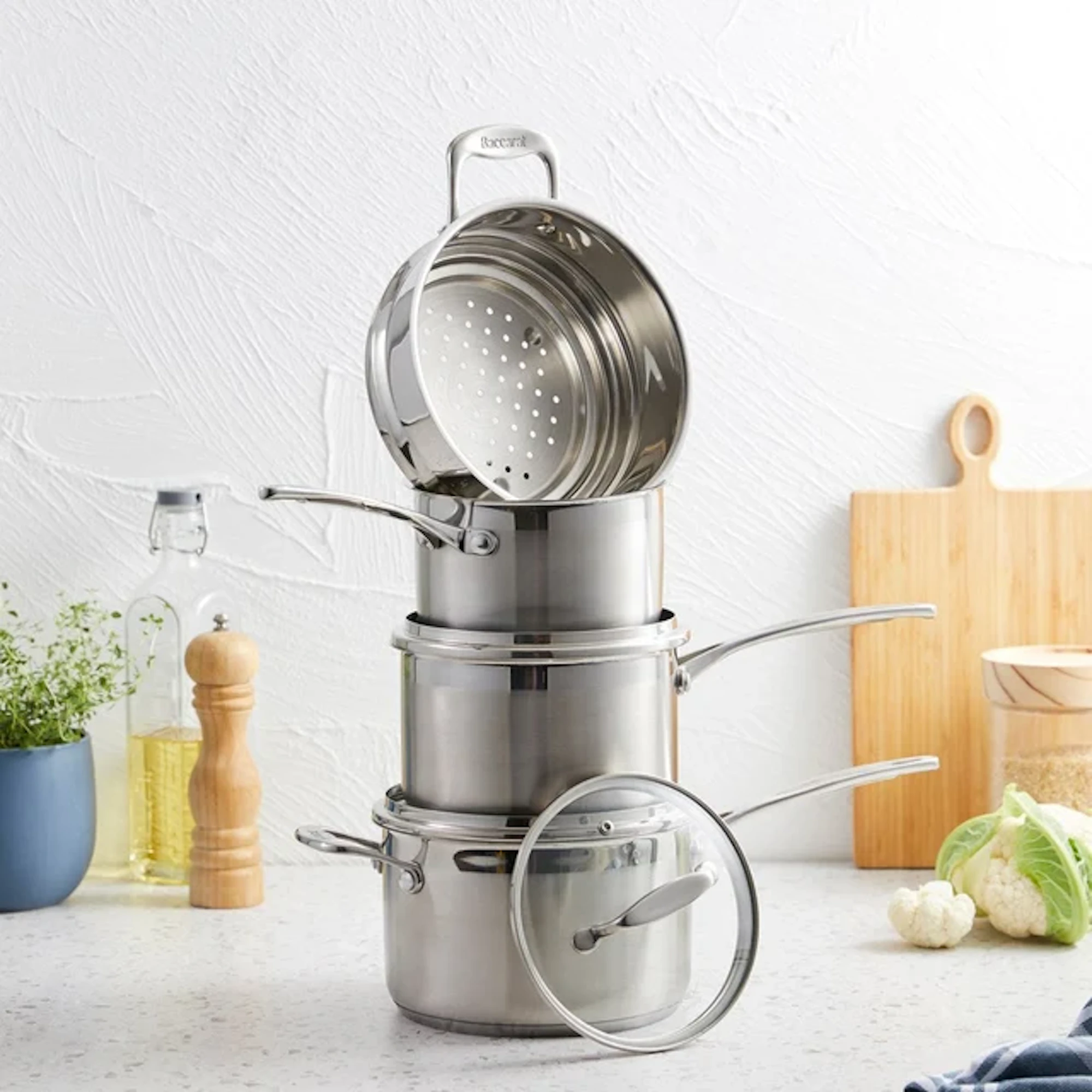
Stainless Steel (iD3 / iconiX / Capri): best for everyday cooking, browning and sauces.
- 18/10 stainless steel with an aluminium core. Construction varies by range
- No seasoning needed
- Dishwasher safe; hand washing recommended
- Oven safe varies by range and product
- iD3 up to 220°C. Induction compatible
- Baccarat Lifetime Guarantee
Non-Stick (STONE / Granite): best for easy-release cooking and everyday meals.
- Non-stick coating over aluminium or cast aluminium construction, depending on range
- No seasoning needed
- Dishwasher safe; hand washing recommended
- Oven safe varies by range and product; check individual product
- Induction compatible on current Granite products
- Baccarat Lifetime Guarantee on current ranges
*Baccarat Lifetime Guarantee covers all Baccarat cookware. The warranty starts from the date of purchase and continues for 25 years from this date. Replacement of the product or any part of it does not extend or restart the Warranty Period.
Best Cookware Material For Your Cooking Style
The food decides the material, not the other way around. The best cookware material for eggs isn't necessarily the one you'll want for a slow braise. Non-stick makes delicate foods easy to release, stainless steel can handle a wide range of everyday cooking, and cast iron is the best choice when you want serious heat retention.
Match your cooking to the material
- Weeknight eggs, pancakes, fish, delicate reheats: Non-stick (STONE / Granite). Easy food release and straightforward clean-up.
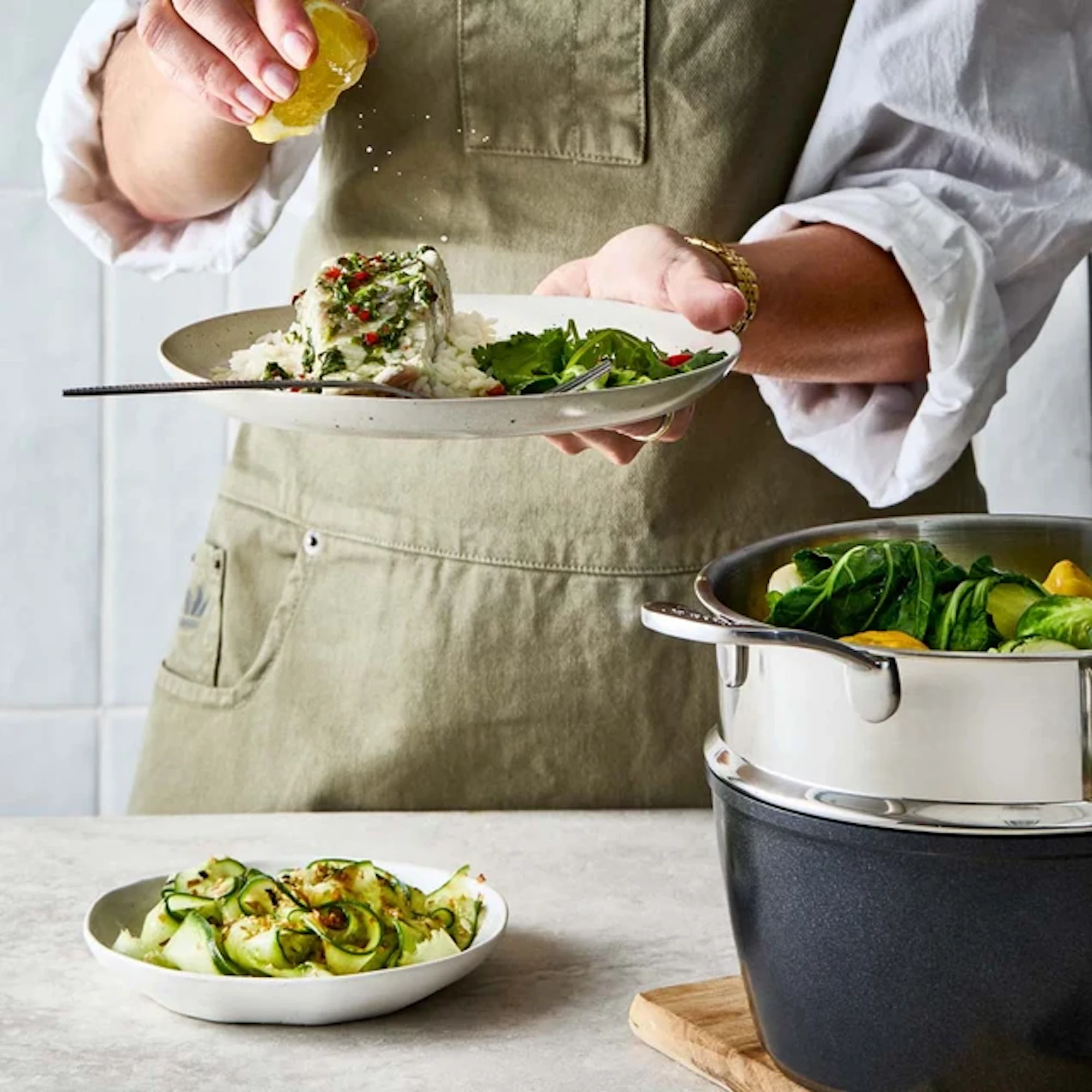
- Everyday sautéing, browning, acidic sauces, simmering: Stainless steel (iD3 / iconiX / Capri+). Non-reactive, some items dishwasher safe and well suited to browning and everyday cooking.
- Slow braises, searing, oven-to-table dishes and long cooks: Cast iron (Le Connoisseur). Excellent heat retention, an enamelled surface and oven-to-table versatility.
Non-stick: Best for easy everyday cooking
Non-stick is the sensible choice when you want dinner on the table without struggling with the pan afterwards. It's particularly useful for eggs, pancakes, fish, and other foods that tend to stick when you're not looking.
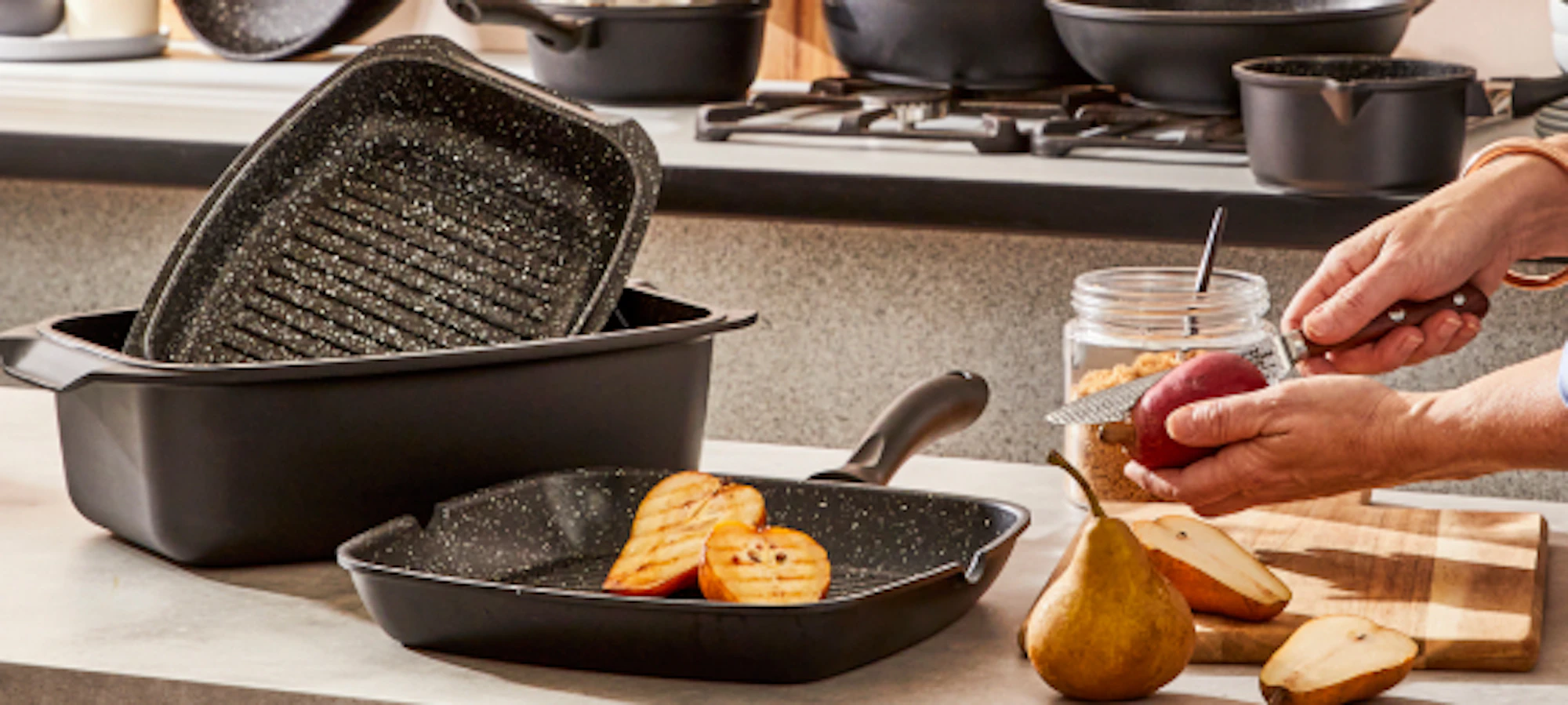
Baccarat's granite cookware combines a cast aluminium body with a hard-wearing exterior and scratch-resistant granite non-stick interior. Its Heat Flex induction plate makes the range suitable for all cooktops. The non-stick surface also allows for cooking with minimal oil and fat, making it a sensible option for everyday meals and less experienced cooks.
The trade-off is the coating, so good care matters. Baccarat recommends using wooden, silicone or nylon utensils and avoiding abrasive cleaning products to help protect the non-stick surface. While the cookware is dishwasher safe, hand washing is recommended to help maintain its quality and performance over time.
Stainless steel: Best for cooks who do a bit of everything
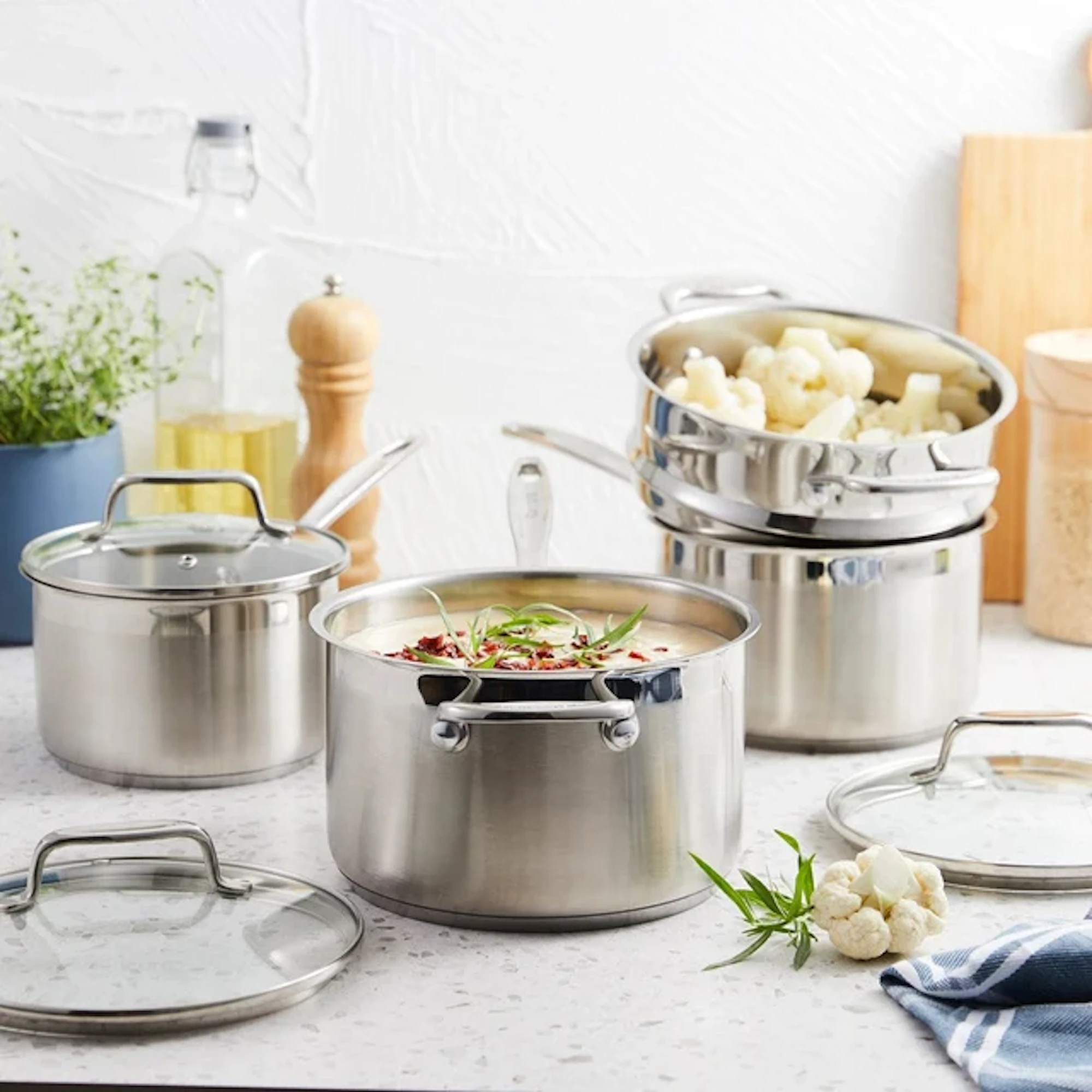
Stainless steel is the most adaptable of the three; it’s the pan you reach for when you're browning meat, sautéing vegetables, reducing a sauce or cooking something acidic and don't want to think twice about what’s going in it.
There’s a bit of a learning curve compared with Baccarat’s non-stick cookware. Stainless steel doesn't give you effortless food release, so if the pan isn't heated properly or you move ingredients too soon, the food is likely to catch. Once you get the hang of it, though, stainless steel becomes remarkably versatile.
That versatility extends to the ingredients themselves. Stainless steel is non-reactive and doesn’t have a coating, so it’s suitable for acidic ingredients. Depending on the range, it is dishwasher-safe and compatible with all cooktops, including induction.
Cast iron: Best for slow cooking and heat retention
Cast iron cookware has never met a lightweight philosophy it liked. It’s heavy, unapologetically so, but that heft is what gives it such impressive heat retention. Once cast iron gets hot, it takes its sweet time letting that heat go.
Baccarat's Le Connoisseur range breaks from the maintenance reputation cast iron usually carries. That reputation mostly comes from bare cast iron, which needs seasoning; Le Connoisseur is enamelled, so it skips that step and goes straight in the dishwasher instead. Its French ovens go from the cooktop to a 260°C bake and straight to the table, on applicable pieces. That renders it especially useful for the slow stuff: braises, casseroles, stews and anything that benefits from steady, retained heat.
Is the Extra Weight (and Cost) of Cast Iron Worth It?
When comparing cast iron vs stainless steel vs non-stick, cast iron is worth the extra weight and cost if you'll regularly use its heat retention and oven-to-table versatility; if most of your cooking is quick weeknight meals, stainless steel or non-stick may offer more practical value.
This is where cookware advice can get a bit carried away. More expensive doesn't automatically mean better, and cast iron won't improve every meal just because it costs more. It is heavier and, depending on the piece and range, can cost more than a basic frypan. What you're really paying for is the way it holds and distributes heat, and whether that makes a difference to the food you actually cook.
If you love slow cooking, searing, braising or taking a dish straight from the cooktop into the oven, that performance can make the extra weight worthwhile. Le Connoisseur also removes one of the traditional objections to cast iron: the enamelled surface needs no seasoning and is dishwasher safe, although hand washing is recommended. Want to get more from your cast iron? Explore our guide to Everything You Need to Know About Cast Iron Cookware.
Non-stick makes a different value proposition. You're buying convenience and easy food release, particularly for delicate foods. The coating means you should expect to take more care with how you use the pan rather than assuming it will behave like bare stainless steel forever.
And stainless steel? It sits comfortably in the middle and covers a lot of ground. If you're only buying one material to cover the widest range of everyday cooking, it's a strong contender.
Can You Just Buy One? Building a Mixed-Material Kitchen
You don't need to choose a single cookware material for your entire kitchen when comparing cast iron vs non-stick vs stainless steel cookware. A combination of materials can cover far more cooking styles than a single material alone.
A practical starting point is:
- One non-stick frypan for eggs, pancakes, fish and delicate reheats.
- One stainless steel saucepan or sauté pan for everyday cooking, browning, simmering and acidic sauces.
- One cast-iron piece, such as a grill pan or a smaller French oven, for dishes that benefit from serious heat retention.
That’s pairing the tool to the job, not overkill. You wouldn't use a chef's knife to spread butter, so there's no particular prize for making one pan do everything either.
The Baccarat Bottom Line
The cookware you use most is usually the best buy. There’s little point spending more on cast iron if most of your cooking is eggs and quick weeknight meals, and just as little point buying stainless steel if you'll only ever use one pan for delicate reheats.
For varied cooking, stainless steel is the strongest single pick. Cast iron pays for itself once slow braises and searing are weeknight staples, and non-stick is the one that’s reached for when easy release and quick clean-up matter most.
If you're building your kitchen from scratch, start with the pieces you'll use most and add from there. Every option in the Baccarat cookware range is backed by the same 25-year Lifetime Guarantee, giving you plenty of room to build a collection that will stick around for the long haul.
Frequently Asked Questions: Cast Iron vs Non-Stick vs Stainless Steel
1. Is cast iron better than non-stick?
Not necessarily, especially if you plan on using it for delicate foods: cast iron is best for slow cooking and heat retention; non-stick is usually the easiest option, and it’s a time saver when it comes to cleaning up.
2. Do you need to season Baccarat's cast iron cookware?
No, Baccarat's Le Connoisseur enamelled cast iron cookware does not require seasoning because its cooking surface has a double-layer enamel finish.
3. Can stainless steel cookware go in the dishwasher?
Yes, Baccarat's stainless steel cookware ranges, such as iD3, are dishwasher safe, but following the care instructions for the individual piece and hand washing are recommended.
4. Which cookware material lasts the longest?
If you're looking for cookware that will last for years, stainless steel and cast iron are both worth considering. Non-stick is a little different. Its performance relies on keeping the cooking surface in good condition, so it needs a bit more care as you use it.
5. What’s the best cookware material for a beginner cook?
For someone new to cooking, non-stick is often the easiest place to start. Food tends to come away from the surface easily, and there’s less work involved when it’s time to clean the pan. Once you’re more comfortable at the stove, stainless steel is a useful next step and gives you more scope to experiment with browning and other cooking techniques.
Related Articles
- Top 7 Reasons to Invest in Quality Cookware: Find out what to consider before deciding whether it's time to upgrade.
- What is Baccarat Le Connoisseur?: Discover Baccarat Le Connoisseur’s French-inspired cookware, from slow-cooking essentials to its premium cast iron range.