Everything You Need to Know About Cast Iron Cookware
Everything You Need to Know About Cast Iron Cookware
Cast iron cookware has been a kitchen staple for generations, valued for its durability, excellent heat retention and ability to deliver consistent results. But there is one common piece of advice about cast iron that doesn't apply to every pan: seasoning. If you're looking at Baccarat's Le Connoisseur range, you don't need to follow the seasoning rituals you may have read about elsewhere. That's because Baccarat's Le Connoisseur cast iron cookware is enamelled, and enamelled cast iron does not require seasoning before or during use. For more guidance across different cookware materials, see Baccarat's Cookware Care Guides.
What Is Cast Iron Cookware, and Is It the Same as Enamelled Cast Iron?
Cast iron cookware is made by pouring molten iron into moulds, creating thick, heavy-duty pots and pans that retain heat exceptionally well. Bare or raw cast iron develops a seasoned surface through the repeated application and heating of cooking oil, creating a natural non-stick layer over time.
Enamelled cast iron is different. It has a protective enamel coating bonded to the cast iron, so it doesn't require the seasoning process used for bare cast iron. Baccarat's Le Connoisseur collection is an enamelled cast iron range, meaning you can use it without seasoning it before or during cooking.
Cast Iron vs Stainless Steel vs Non-Stick vs Aluminium
Stainless Steel: Stainless steel cookware is lighter than cast iron and offers excellent durability, but it doesn't retain heat in the same way. It can also require oil or butter to help prevent food from sticking.
Non-Stick: Non-stick cookware is designed for easy food release and cleaning, but its coating requires more care and is generally less suited to the very high heat that cast iron handles well.
Aluminium: Aluminium conducts heat efficiently and is relatively lightweight, but it doesn't retain heat as effectively as cast iron and can be more prone to warping.
Types of Baccarat Cast Iron Cookware
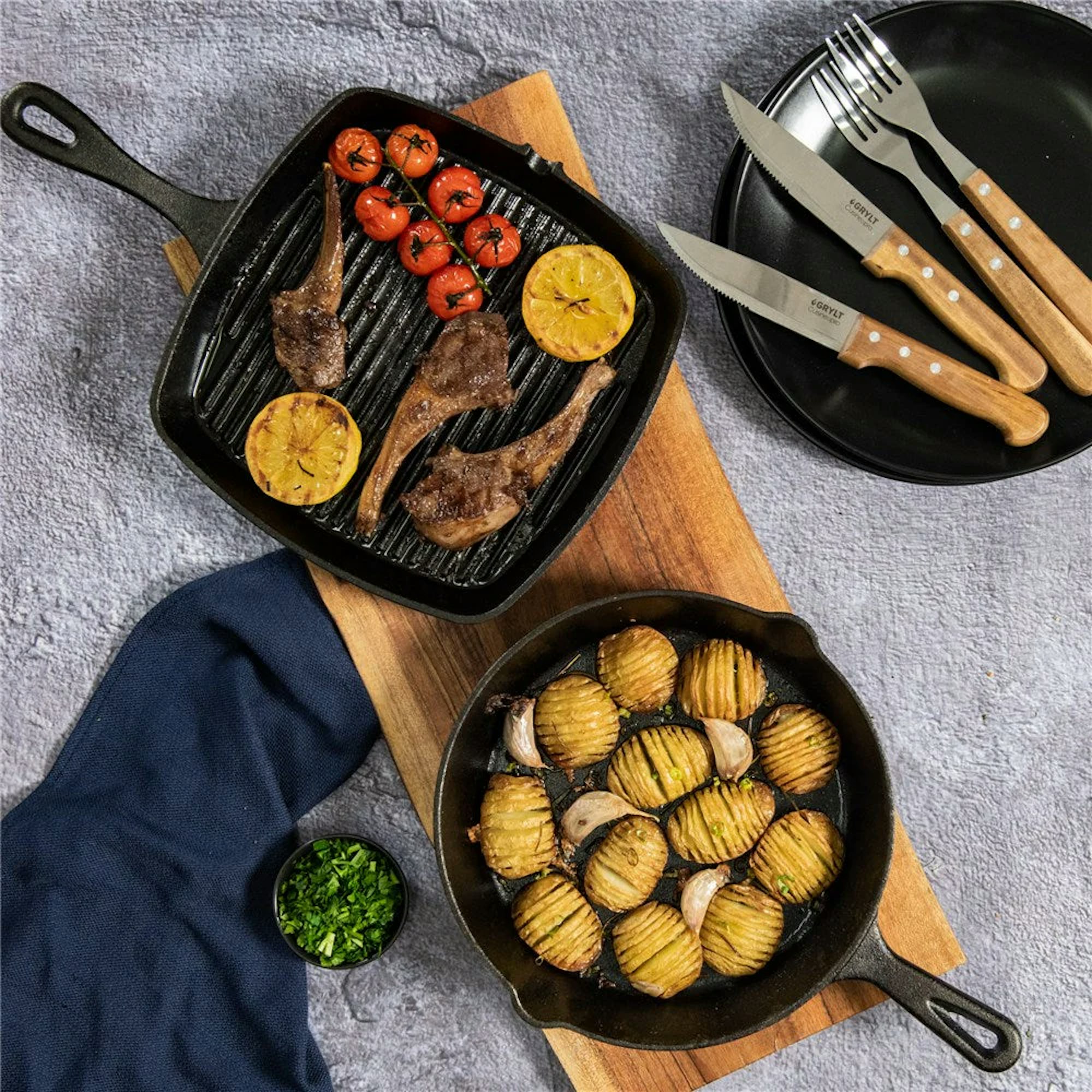
Cast iron cookware can include the following cookware options:
- Frying Pans & Skillets: Ideal for searing, frying, and baking. Available in various sizes for different cooking needs.
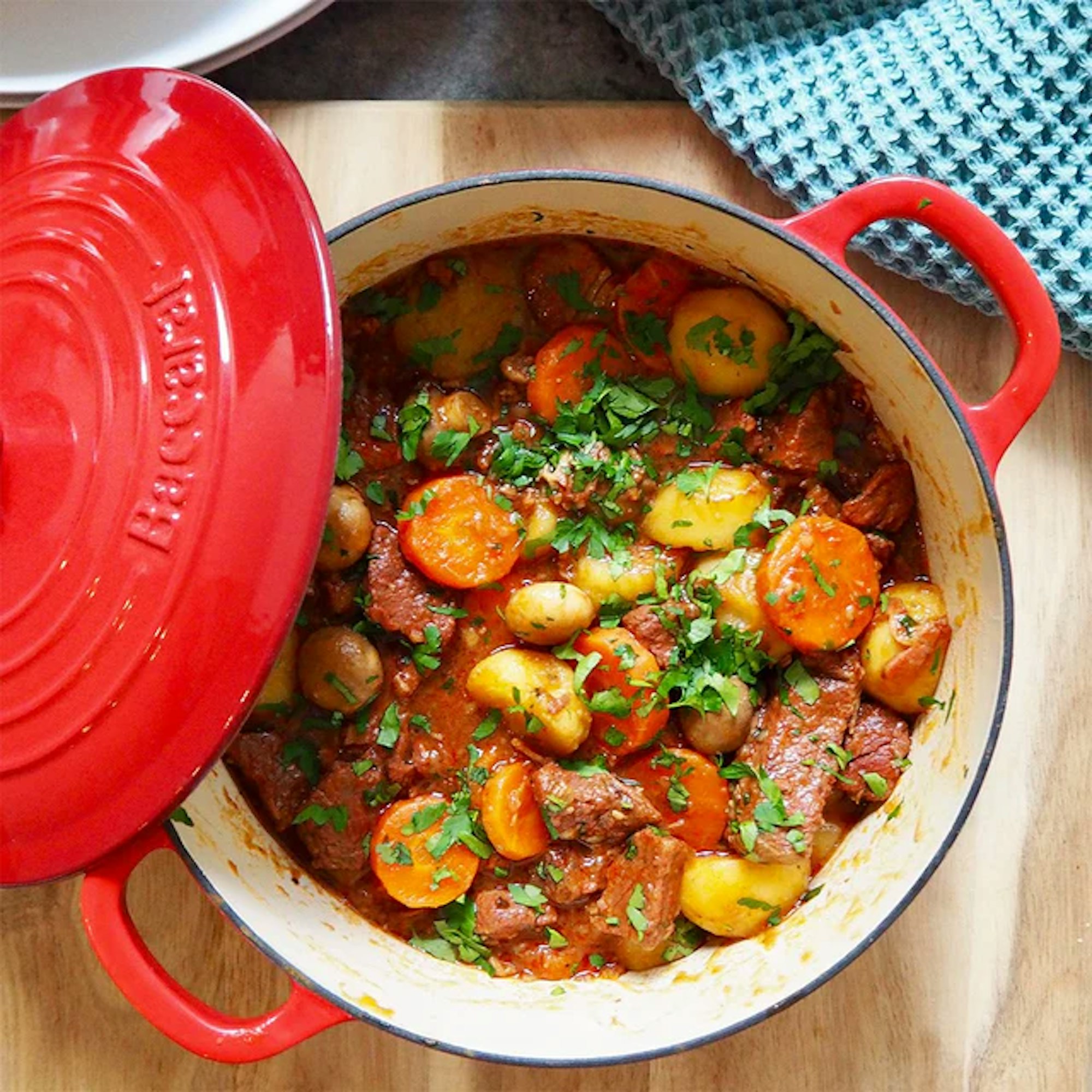
- Dutch Ovens: Perfect for slow cooking, soups, and stews. These deep, lidded pots retain heat well and are excellent for braising meats.
- Grill Pans: Great for achieving charred, grill-style marks indoors. The ridges allow excess fat to drain away, making it a healthier option for grilling meats and vegetables.
- Griddles: Useful for pancakes, flatbreads, and breakfast foods. Their wide, flat surfaces provide even heat distribution for cooking multiple items at once.
- Cast Iron Woks: Designed for high-heat stir-frying, these woks offer superior heat retention compared to traditional carbon steel woks.
- Baking Dishes & Casseroles: Excellent for making baked goods like cornbread, cobblers, and deep-dish pizzas.
At Baccarat, the Le Connoisseur collection is our core cast iron cookware range, offering professional cookware perfect for chefs and experienced cooks looking to enhance their cooking style and invest in quality kitchenware.
Does Cast Iron Work on Induction Cooktops?
Cast iron is magnetic, making it fully compatible with induction cooktops. However, because it is heavy and has a rougher base, you should lift it rather than drag it across the surface to avoid scratches.
Do You Need to Season Baccarat Cast Iron Cookware?
If you're using Baccarat's enamelled Le Connoisseur cast iron cookware, no seasoning is needed before or during use. This is an important distinction from bare or raw cast iron, where seasoning is used to build and maintain the cooking surface. Baccarat's Cookware Care Guides provide further care guidance.
If you own bare or raw cast iron instead, seasoning can help build a natural non-stick surface. The process is:
- Preheat your oven to 200°C.
- Wash the pan with warm water and mild detergent (only for initial seasoning).
- Dry it completely and apply a thin layer of vegetable oil or flaxseed oil.
- Place it upside down in the oven with a baking tray underneath to catch drips.
- Bake for one hour, then let it cool in the oven.
- Repeat this process as needed to maintain a smooth, seasoned surface.
How to Clean and Store Cast Iron Cookware
How to Clean a Cast Iron Pan
- Allow the pan to cool slightly but not completely.
- Use a stiff brush or sponge with warm water to remove food residue.
- For stubborn bits, add coarse salt and scrub gently.
- Rinse and dry thoroughly.
- Apply a thin coat of oil before storing to maintain seasoning.
Can Cast Iron Go in the Dishwasher?
Baccarat recommends hand washing cast iron cookware rather than using a dishwasher. Hand washing helps protect the cookware and, where applicable, the seasoned surface. Avoid prolonged exposure to water and always dry thoroughly after cleaning.
How to Clean Rusty Cast Iron
If rust develops:
- Scrub the rusted area with steel wool or a stiff brush.
- Rinse and dry completely.
- Re-season the pan following the steps above.
Explore Baccarat’s Le Connoisseur Cast Iron Range
For cast iron cookware that's designed to make cooking straightforward, explore the Le Connoisseur cast iron range.
If you're still deciding whether investing in quality cookware is worthwhile, read Top 7 Reasons to Invest in Quality Cookware.
Frequently Asked Questions
Is Cast Iron Naturally Non-Stick?
Cast iron is not naturally non-stick in the same way as coated non-stick cookware. Bare cast iron can develop a natural non-stick surface through seasoning, while enamelled cast iron has a smooth enamel coating designed to help with food release.
How Do You Hold a Hot Cast Iron Pan Handle?
Cast iron retains heat extremely well, so handles can become very hot during cooking. Always use an oven mitt or tea towel when handling a hot cast iron pan, and take care when moving it from the stovetop to the oven or table.
How Much Does a Cast Iron Pot Weigh?
Cast iron is considerably heavier than many other cookware materials. A cast iron frypan can weigh around 2.5–4kg, while a Dutch oven can weigh 5kg or more depending on its size and construction.
How Do You Store Cast Iron Cookware?
Make sure cast iron cookware is clean and completely dry before storing it. Store it in a dry place and avoid trapping moisture against the surface. For bare cast iron, a light coating of oil can help protect the seasoned surface during storage.
What Utensils Can You Use on Cast Iron?
Cast iron is durable enough to handle a range of cooking utensils. Choose utensils appropriate for the surface of your cookware and take care not to damage enamelled surfaces. Explore Baccarat's utensils collection for suitable options.
How Long Does Cast Iron Cookware Last?
With proper care, quality cast iron cookware can last for decades and can be passed down through generations. Baccarat's Lifetime Guarantee provides additional reassurance that you're investing in cookware made to last.
Related Articles
For more guidance on caring for your cookware, explore the Cookware Care Guides.
If you're weighing up whether quality cookware is worth the investment, read Top 7 Reasons to Invest in Quality Cookware.
Back to blog